The ASSETS 2024 Doctoral Consortium (DC) is expected to be held on Sunday, October 27, 2024, as an in-person event.
The overarching goal of the consortium is to encourage and prepare a group of promising young researchers dedicated to accessibility and assistive technology by:
- Providing PhD students with a supportive forum to submit and receive high-quality feedback about their accessibility-related dissertation work from researchers outside their own institution, including student peers, faculty, and industry professionals.
- Providing opportunities for participants to network with one another and senior members of the ASSETS community.
- Enabling the student participants to attend the ASSETS 2024 conference, to contribute to the conference goals through interaction with other researchers and conference events, and to learn of potential career paths within academia and industry.
Who Should Apply
We encourage doctoral candidates at an early-to-mid stage of their research to apply rather than students who have already made substantial progress toward their dissertations. The DC focuses on earlier-stage students because the goal is to provide feedback that can help guide and shape dissertation research agendas.
Applicants may also submit to the Student Research Competition, but the work described must be different.
Relevant Topics
Relevant topics for the Consortium are the same as for the conference. See the Call for Papers.
Important Dates and How to Apply
NOTICE:
All deadlines are 11:59 P.M. Anywhere on Earth (UTC -12:00).
July 2024
Cover letter, Research Project Summary, CV Submission Due
Wednesday, July 3rd, 2024
11:59PM AOE
Advisor's Letter of Recommendation Due
Wednesday, July 10th, 2024
11:59PM AOE
August 2024
Notification of Acceptance
Wednesday, August 7th, 2024
11:59PM AOE
Video Presentation Deadline
Wednesday, August 28th, 2024
11:59PM AOE
Each Doctoral Consortium applicant must submit a package of application materials and also request a letter of recommendation from their advisor.
- The student’s Cover Letter, the Research Project Summary, and CV should be submitted to PCS as a combined PDF document by Wednesday, July 3, 2024.
- The Advisor’s Letter of Recommendation should be received by Wednesday, July 10, 2024, and sent directly from the advisor to dc-chairs-assets24@acm.org.
- Notification of Acceptance: Wednesday, August 7, 2024
- Video presentation deadline: Wednesday, August 28, 2024
Applicant's Materials
Submissions are not anonymous; the applicant's name must appear on the documents.
- Cover Letter - The cover letter should contain the following
information:
- A statement of interest in participating in the Doctoral Consortium
- The full name of the University and Department in which the candidate is earning their doctorate degree
- The name of the primary supervisor
- Full contact information, including address, telephone number, and email address
- The title of the research and keywords pertinent to the research
- The URL of the candidate's web page (if any)
- What the candidate hopes and expects to experience at the Doctoral Consortium
- Research Project Summary - The Research Project Summary should be
4,000 to 5,000 words. The Summary should include: title, author
information, abstract, keywords, thesis research summary, and
references. Document format should be: single column, 1.5 spaced,
12pt sans serif font. References do not count toward word count.
This extended abstract must clearly address:
- The problem that the proposed research is addressing
- The motivation behind this research, including a broad comparison with the related literature
- The proposed solution, including a brief description of the proposed methodology to the solution
- The stage of the candidate's program of study, including the status of the research (i.e., what has been done to date, and what still needs to be done)
- The envisioned contributions to the accessibility field
- Bibliographical references
- The Candidate's CV - The candidate is required to submit a CV (maximum of 2 pages) that relates to their background, relevant experience, and research accomplishments.
- Supervisor’s Letter of Recommendation - A letter on official letterhead from the primary thesis advisor/supervisor that briefly states what the advisor/supervisor expects the student to gain from and contribute to the consortium. The letter should be sent directly from the advisor to dc-chairs-assets24@acm.org.
Student Participant Selection Process
The Doctoral Consortium applications will be evaluated based on the following criteria:
- The originality of the work
- The importance of the work and potential impacts on the accessibility field
- The soundness and correctness of the proposed approach to address the problem
- Balance overall in terms of geographic areas and topics covered
Publication
Following the Doctoral Consortium, participants may be invited to submit revised and updated papers for publication in a 2025 issue of the SIGACCESS Newsletter.
Posters
Doctoral Consortium participants are invited to share their work as a poster, to be presented during the poster sessions at the conference. Presenters should follow the poster presentation accessibility guidelines outlined in the Posters and Demos category.
Sign Language Interpreting or Captioning
Upon request, sign language interpreting or captioning will be provided for the Doctoral Consortium and all other ASSETS events. Requests for an interpreter or captioner must be indicated on the conference registration form when registering for ASSETS 2024.
Schedule
The main event is expected to start on Sunday, October 27, 2024. The specifics of the schedule will be announced closer to the event.
Further Information
For further information or questions regarding the event or submissions, please contact the Doctoral Consortium Chairs, Kristen Shinohara and Shari Trewin, at dc-chairs-assets24@acm.org.
Mentors
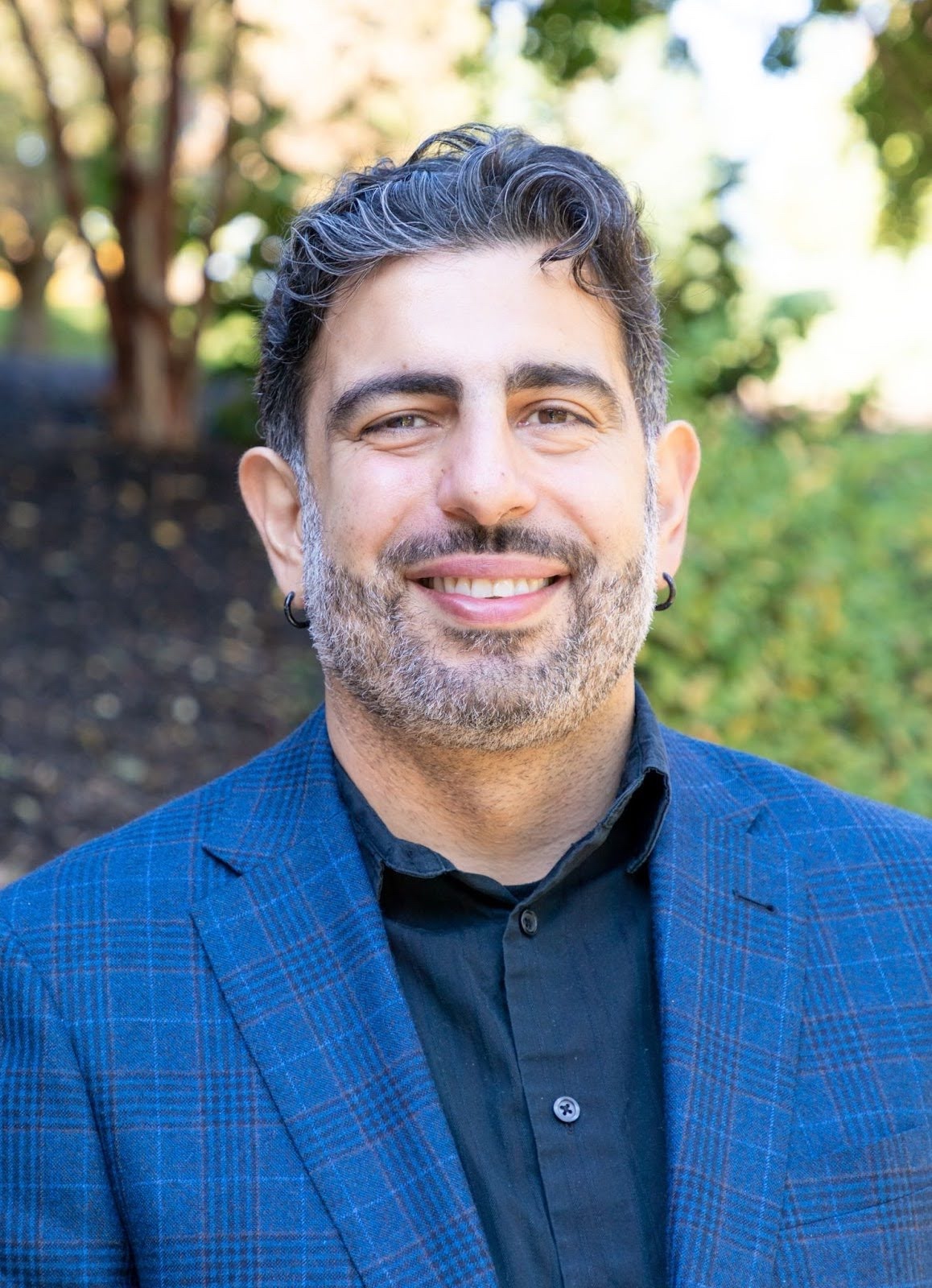
Foad Hamidi
Foad Hamidi is an Assistant Professor in Information Systems at the University of Maryland, Baltimore County (UMBC). His research focuses on several areas within Human-Computer Interaction (HCI), including DIY assistive technology, Equity-based Learning, Living Media Interfaces, and Participatory Design. He conducts transdisciplinary community-engaged research and regularly collaborates with community partners. At UMBC, he directs the Designing pARticipatory futurEs (DARE) lab and the Interactive Systems Research Center (ISRC). He has a PhD in Computer Science from York University, Toronto.
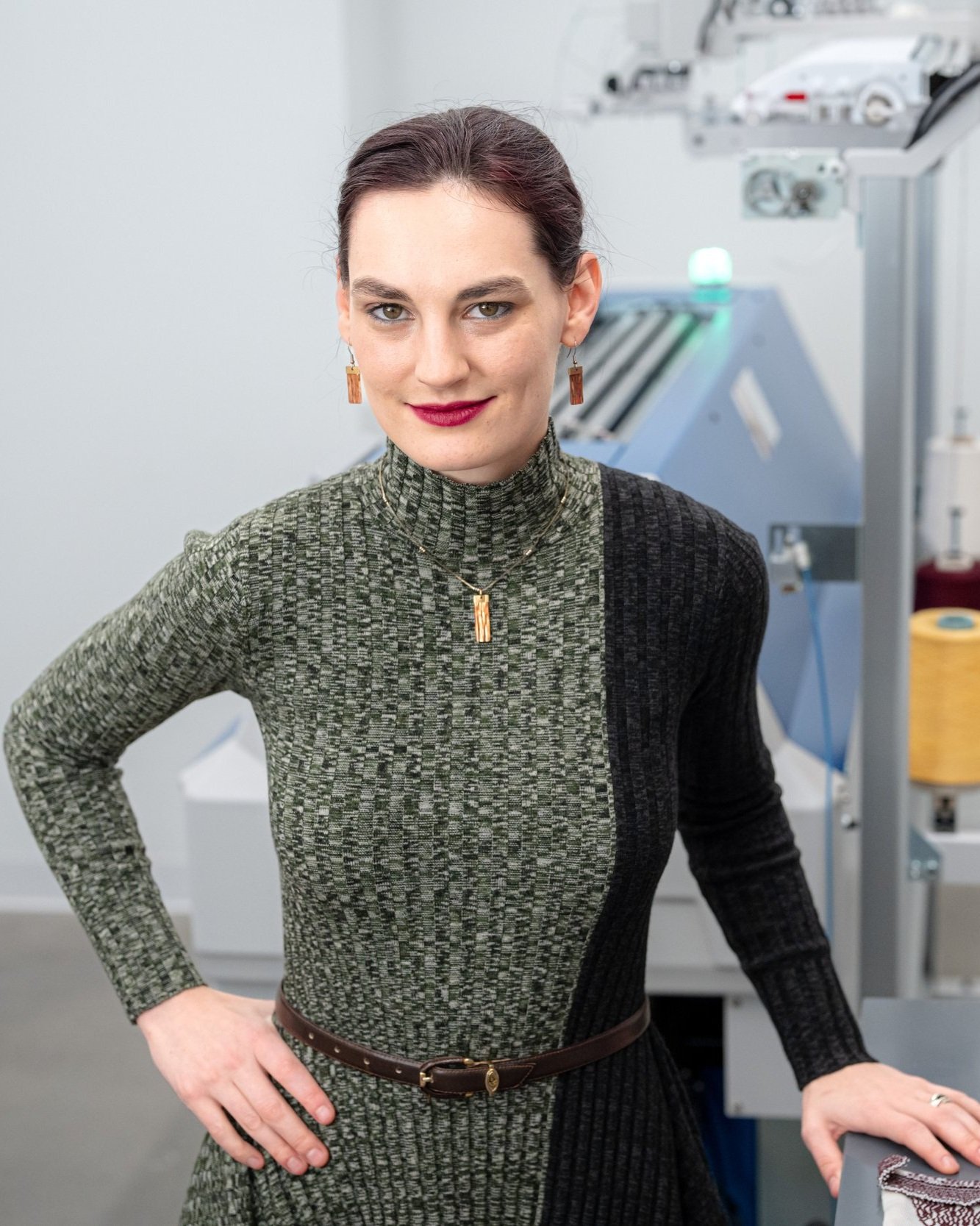
Megan Hofmann
Megan Hofmann is an Assistant Professor of Computer Science and Mechanical Engineering at the Khoury College of Computer Sciences at Northeastern University, where she directs the Accessible Creative Technologies (ACT) Lab. Megan is a leading accessibility and fabrication researcher. Her work on the emerging area of Medical Making, the application of digital fabrication in healthcare, has won multiple best-paper awards at ACM-CHI and Assets and the 2022 SIGCHI Outstanding Dissertation award. Additionally, she is a leader in the burgeoning field of Automatic Machine Knitting. She received her PhD in Human-Computer Interaction from Carnegie Mellon University in 2022.
Kristen Shinohara
Kristen Shinohara is an Associate Professor in the School of Information at the Rochester Institute of Technology where she co-directs the Center for Accessibility and Inclusion Research (CAIR) Lab. Kristen’s research is at the intersection of human-computer interaction, accessibility, and design, with a focus on making design methods accessible to disabled designers. Her NSF funded work investigates inaccessibility for disabled graduate students and how to improve teaching accessibility in computing and information science. She is a Google Scholar Award recipient for work investigating how to make design methods accessible to deaf designers and users. She received her PhD in Information Science from the University of Washington in 2017.

Shari Trewin
Dr Shari Trewin is a past SIGACCESS Chair (2015 to 2021), and ASSETS general chair (2009), and program chair (2007). She currently leads an engineering team at Google Accessibility, building assistive technologies for reading. Previously she was Program Director of IBM Accessibility. She has made research contributions to many areas of inclusive information and communication technology, including accessibility tools for developers, tools for web personalization, access to virtual worlds, abstract user interface models for accessibility, novel access features for input devices, and self-adaptive input devices. She holds 21 patents for accessibility technology. Shari is an ACM Distinguished Scientist, past Associate Editor of the journal ACM Transactions on Accessible Computing, and a current member of the editorial board. She has a Ph.D. in Artificial Intelligence from the University of Edinburgh, Scotland.